Smartphone Flatscreen Canva Mockup: No Photoshop Needed
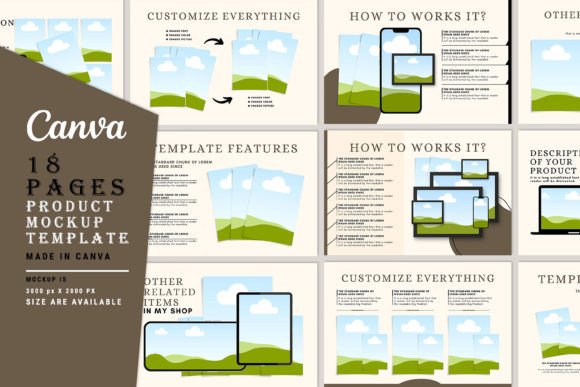
There’s a specific kind of frustration that hits when you’ve got a fantastic design ready to go, but you need to show it on a device. You open your software, hunt for a decent template, and suddenly you're tangled in layers, smart objects, and technical adjustments. It doesn't have to be this way. If you are a small business owner, a content creator, or a marketing professional, your time is better spent on strategy and creativity, not wrestling with software. The Smartphone Flatscreen Canva Mockup changes this entire dynamic. It is a modern, clean, and incredibly direct way to display your work. It isn't a traditional premium font or a complex graphic element; it is a design asset built for speed and clarity. It offers a polished, professional stage for your digital products, app interfaces, and social media graphics without the steep learning curve.
The Aesthetic of Modern Simplicity
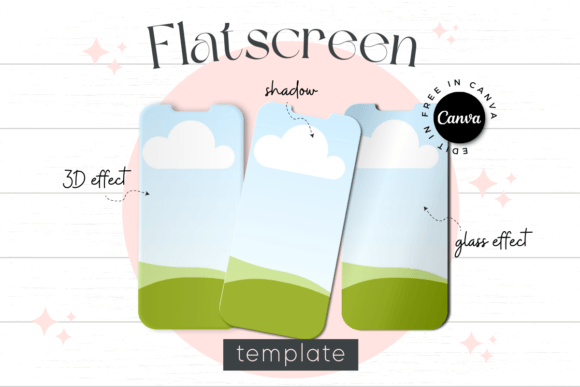
Visually, the Smartphone Flatscreen Canva Mockup embodies a sleek, minimalist personality. We aren't dealing with heavy drop shadows or glossy, reflective surfaces from the early 2000s. This mockup style focuses on the "flatscreen" aesthetic—clean lines, sharp edges, and a focus on the screen content itself. The device frames are usually neutral, often in shades of space gray, silver, or deep black, ensuring they act as a quiet backdrop. This visual style mirrors current trends in modern typography and web design, where the content is the hero. The overall appeal lies in its versatility. Whether you are presenting a new mobile game, an e-commerce layout, or a digital magazine spread, the mockup provides a realistic context that feels current and professional. It bridges the gap between a flat concept and a tangible product.
Practical Applications for Creators and Brands
Understanding where this design asset fits into your workflow is key to getting the most out of it. For entrepreneurs and those focused on brand identity, consistency is everything. When you launch a new feature or a marketing campaign, showing it on a device makes it relatable. People see the mockup and immediately understand the context—they are looking at their own pocket-sized world.
Here is how different professionals can leverage the Smartphone Flatscreen Canva Mockup:
- Publishers and Bloggers: If you are selling a digital workbook, a checklist, or a guide, showing the cover on a phone screen instantly elevates the perceived value. It moves your product from a simple PDF to a sleek digital experience. This is crucial for editorial design and lead magnet promotion.
- UI/UX Designers: Use this to create case studies for your portfolio. Instead of just showing wireframes, drop your final high-fidelity designs into the Smartphone Flatscreen Canva Mockup to show clients exactly how the interface feels in a real-world scenario.
- Marketers and Social Media Managers: Creating "phone-in-hand" imagery is a staple of modern advertising. It draws the viewer's eye to the screen content. You can use these templates to create engaging social media graphics that highlight testimonials, app downloads, or new blog posts.
- Small Business Owners: If you have an online store, showing your checkout process or a product page on a mobile device reassures customers that your shopping experience is mobile-friendly—a non-negotiable in today's market.
Integrating the Mockup with Typography and Layout
A mockup is only as good as the design you put inside it. This is where your knowledge of font pairing and layout comes into play. Because the Smartphone Flatscreen Canva Mockup provides a clean canvas, the typography inside the screen needs to be sharp. Avoid overly decorative script fonts or heavy handwritten fonts for body text within the phone screen, as they often lose legibility at small sizes.
Instead, consider the hierarchy. Use a bold sans serif font for headlines to catch attention immediately. If your brand leans more traditional or editorial, a crisp serif font can work beautifully for headers, paired with a light sans serif for the body text. The mockup allows you to test these pairings visually. You can see immediately if your color contrast is high enough or if your margins are too tight. This immediate feedback loop is vital for refining your logo design elements or app icons. It helps you evaluate the visual hierarchy before you finalize the code or print the materials.
Streamlining Your Workflow with Drag-and-Drop
The true power of the Smartphone Flatscreen Canva Mockup lies in its accessibility. You do not need to be a technical wizard to create professional assets. The process is stripped down to what matters: uploading and editing.
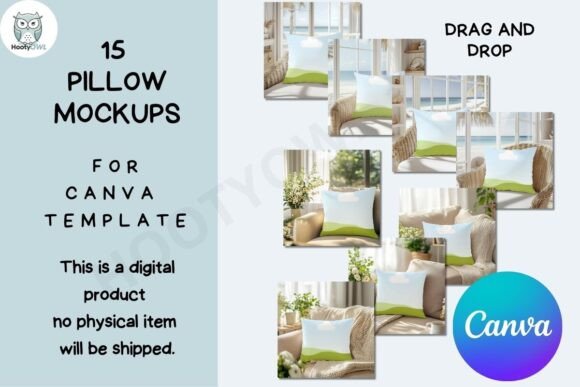
When you purchase this template, you receive a PDF with a direct link. This opens the template in Canva, a platform many creatives already use for its intuitive interface. You simply upload your screenshot or artwork, drag it into the designated frame, and resize as needed. The lighting, shadows, and perspective are already baked into the template. This efficiency allows you to iterate quickly. Need to update a price on a product mockup? Open the file, swap the image, and download. It is perfect for A/B testing marketing visuals or updating your portfolio regularly. It removes the friction of "setting up" a scene, letting you focus on the story your brand identity is telling.
Making the Right Choice for Your Project
When evaluating if this asset is right for you, look at the included styles. Does the mockup feature the specific phone model relevant to your audience? Does the angle suit your layout? For instance, a straight-on view is excellent for UI clarity, while a slight angle might be better for lifestyle branding.
Remember that a mockup is a container for your work. It should enhance, not distract. The Smartphone Flatscreen Canva Mockup excels here because of its neutral personality. It acts much like a versatile display font